
Pregnancy & body image: Part 8
Body image in pregnancy and the postpartum period
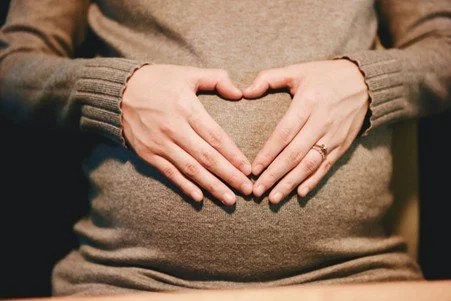
Pregnancy is a transformative time that comes with a lot of changes. These include changes in the physical body and also how we feel about and relate to our bodies. These changes and the societal and media messaging that we hear around pregnancy and postpartum can really affect our body image. Even the natural physical changes of pregnancy can be a source of body image concerns. Women and pregnant people can feel under pressure to be in control of all of the changes that they are experiencing, how much weight they are gaining, the ways in which their bodies are changing, and feeling unable to control this can make them feel distressed. Research has found if they can appreciate their body as adapting to meet their needs during this time, for example being able to give birth, they don’t feel as distressed. Sometimes women can feel as if their body is not their own during pregnancy, almost feeling as though it is ‘public property.’ This period can come with many comments from others on the size of the bump or the woman’s body and this can put pressure on body image. For example comments like, “you’re so big!” or joking “are you carrying twins?” or conversely some women are praised or compared to others for having a “neat” or small bump. Many pregnant women will also experience weight stigma due to the weight they gain during pregnancy; this experience is linked to depression and unhealthy eating. Women might also experience unwanted touching of their bodies, which can feel invasive.
Media and social media pressure
Media and social media images of celebrities and influencers in bikinis during pregnancy or within weeks of giving birth can set unrealistic expectations and increase body concerns or dissatisfaction in women and pregnant people during this time. Pressure to look slim during and after pregnancy can contribute to weight monitoring or dieting behaviours which could potentially be damaging for the baby during the pregnancy or breastfeeding stage. This pressure can also have a negative impact on the mental health of the mother. Research has found that the more time spent on social media during pregnancy, the more likely the women were to have negative body image and disordered eating. Women and pregnant people may feel an expectation to “bounce back” to their pre-pregnancy body and weight shortly after giving birth and this can make them feel unhappy with their post-partum bodies. Research has found that women can have unrealistic expectations for how their body will look and function postpartum, and we know that a common worry for women post-partum can be that their body won’t return to the way it was before they got pregnant. The messaging we see ignores the fact that pregnancy and birth will change the body, and sometimes these changes are permanent, which is completely natural. If we think about it logically it would be strange if our bodies didn’t change at all after growing and giving birth to a human being.
Postpartum Period
Some studies have found that pregnant women are actually more satisfied with their bodies than women who are not pregnant. This may be because usually getting bigger is perceived by women as negative, but in the case of pregnancy it is essential so they don’t feel the same pressure to live up to the media beauty ideal, pregnancy might also give some women a newfound appreciation for what their bodies are capable of. Women often find various ways to cope positively with the bodily changes that occur during pregnancy, however, there is often greater body dissatisfaction amongst women in the postpartum period than pregnant women. Many women report feeling under pressure to regain their pre-pregnancy body and to once again conform to the slim ideal, a pressure which may have been reduced during their pregnancy. This is an individual experience however, and for some it may be the opposite. Some studies have found that women with young children aged 0-5 years actually felt a lot less body shame, self-objectification and dietary restraint than women without children.
So how can women improve body image postpartum?
It may be helpful to focus on what your body can do (e.g. carrying your baby to term, feeding your baby) than to focus on how your body looks. It may also be helpful to practice self-care and self-compassion, and to remember what your body went through to have a baby so you can release these concerns. One study found that women with high levels of self-compassion in the postpartum period experienced low levels of body dissatisfaction. The postpartum period is often a stressful time with lack of sleep and constant demands on your time. It may be helpful to ask a family member or friend to support you, so you have time to take a break and focus on being kind to your body, get some rest, a long bath or time out to do yoga or just get out for a walk and change of scenery.
Stop comparisons: Avoid comparing yourself to the idealised postpartum bodies presented in the media and on social media. Women in the media are often put under very unhealthy pressure to look slender and toned shortly after childbirth. It can be helpful to recognise the unrealistic standards set for women by the media, and to acknowledge that what is most important at this time is looking after yourself and your new baby properly.
Be kind to your body: It may be helpful to treat areas that have significantly changed such as breasts, stomach or stretch marks with gentleness. Using natural body creams on these areas, practicing self-compassion or different techniques to connect with the body (e.g. yoga) may also be helpful. Some research has found that women who eat intuitively postpartum were more likely to feel more satisfied with their bodies and experienced less disordered eating and depressive symptoms.
Building positive body image is helpful to our overall well-being but research has also found positive body image may help women feel more confident to breastfeed. The techniques on connecting with your body and self-compassion tips in Section 2 might also be helpful.
Useful Resources + links: body image in Pregnancy and postpartum
🎧 Podcast: Podcast hosts of ‘Should I delete that’ discuss their pregnancies – click here.
🎧 Podcast: Registered nutritionist Niamh Orbinski talks to ‘fat positive fertility’ expert Nicola Salmon – click here.
📰 Article: This article on psychology today discusses the damage comments on pregnant women’s bodies can do – click here.
📰 Article: ‘Your comments about my pregnant belly seem innocent but to me they’re dangerous’ – click here.
🎧 Podcast: Registered dietitian Corinne Dobbas talks about body image in pregnancy and postpartum - click here.
🎧 Podcast: Body confident mums: Listen to the hosts of the Appearance Matters podcast interview “body image experts” Dr Zali Yager, Dr Laura Hart, and Dr Ivanka Prichard about postpartum body image - click here.
Website: UK eating disorders charity BEAT has information on eating disorders and pregnancy - click here.