
Women & Body Image: Part 7
Women, body image & ageing
Body Image and Women
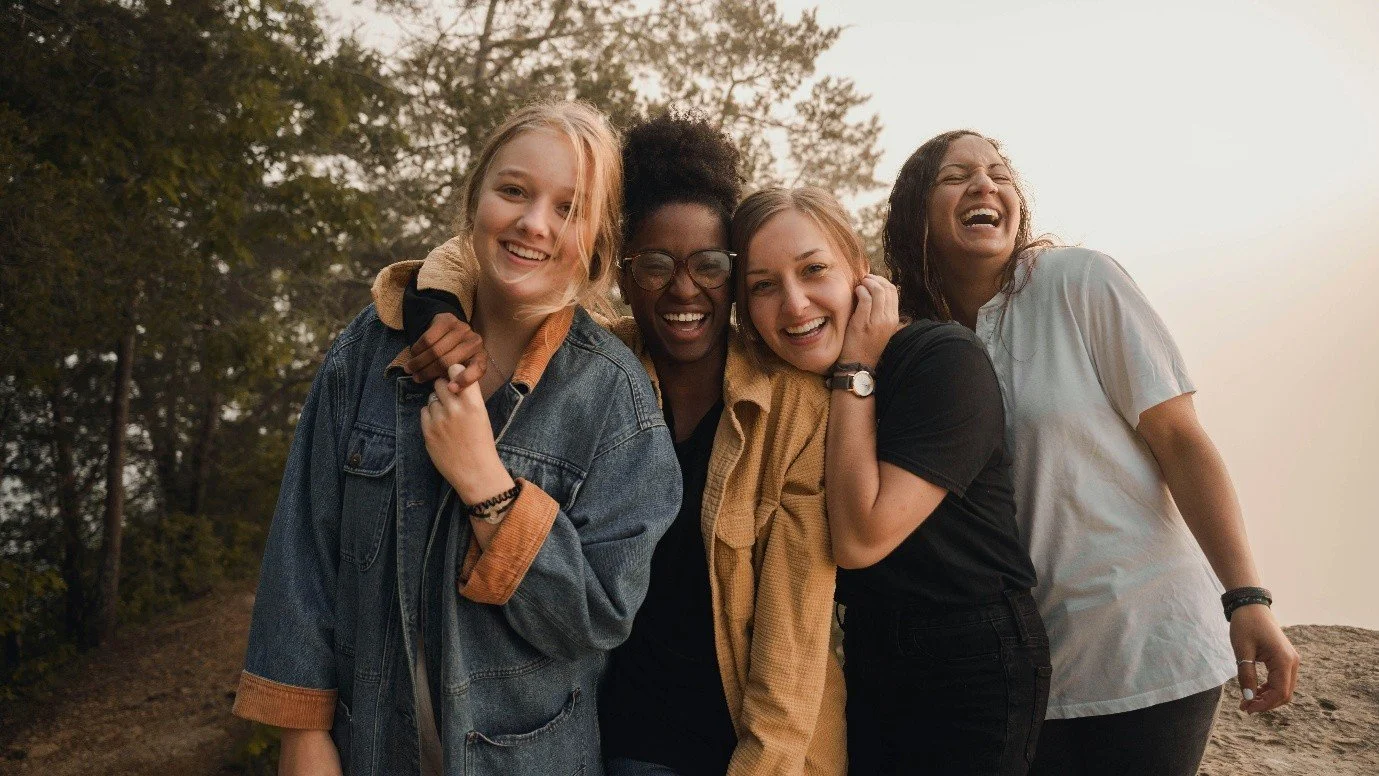
Body image is an issue which affects people of all ages and backgrounds. Women and girls are inundated with messages from the media and social media telling them how they should look. These messages promote unrealistic ways of looking and it can also feel like a moving goalpost as what is considered “beautiful” often changes. When looking at women in the media or on social media it is common to think “I never see anyone that looks like me.” This can really make us feel as though there is something wrong with us, or that we are at fault for not looking like this ideal, that maybe if we only tried harder, we could reach this impossible standard. The majority of women aren’t represented in the media, the unrealistic ideal we’re shown represents a very small proportion of the population and is often edited or airbrushed.
Unrealistic media ideals are often presented alongside diet regimes or products which claim to alter appearance. Diet culture is a term used to describe the overemphasis we put on weight loss and dieting in our culture, particularly for women. It upholds a lot of harmful myths about health and weight. We are often marketed diet products or regimes and market research estimates that the global diet industry was worth 237 billion USD in 2024. Research tells us that in general dieting for weight loss is not very effective, we do know however, that dieting is a big risk factor for developing an eating disorder.
Body image concerns in women of all ages appear to be on the increase. Messaging promoting unrealistic beauty ideals no longer targets only young people but increasingly affects women of all ages. Every day We are bombarded with ‘picture perfect’ images of celebrities and influencers of every age endorsing beauty regimes or products. This can add to the pressure that we already feel to live up to that impossible ideal. Take a look at IBI part 3: Coping with media and social media pressure to find tips on how to navigate the media and social media.
Body image across the lifespan in women
Focus on looks and appearance can often start at a young age for girls. Research has shown girls as young as 5 feel unhappy with how they look and want to look like the thin ideal. One study found that girls aged 8-10 compared their appearance more than boys and had negative feelings towards the media. Girlguiding UK surveyed over 2,500 girls aged 7-21 in 2024 and found that 60% of girls aged 11-16 years old had received negative comments about their appearance from other people, they also found that 1 in 3 girls and young women don’t feel confident in their looks and this increases with age.
As women age, their bodies go through various changes which can significantly impact on body image satisfaction. However, much of the conversation around the topic of body image tends to focus on the struggles of younger women. While there is some evidence to indicate that some women grow to accept their bodies more as they age, other research suggests that rates of body dissatisfaction in middle-aged and older women are comparable to those in young women.
The unrealistic ideal that we see in the media tends to be very thin and youthful, and women get further away from that ideal as they age. Many women report experiencing anxiety in relation to ageing and its impact on appearance and body shape. Some research links that anxiety to feelings of body dissatisfaction. Menopause is an important life transition for women which is accompanied by a variety of physical, emotional and social changes. Women often report struggling with the bodily changes that occur as a result of menopause and the challenges associated with coming to terms with these. Menopausal symptoms have been associated with negative body image and the more frequent or intense the symptoms are the more negatively it can impact on body image.
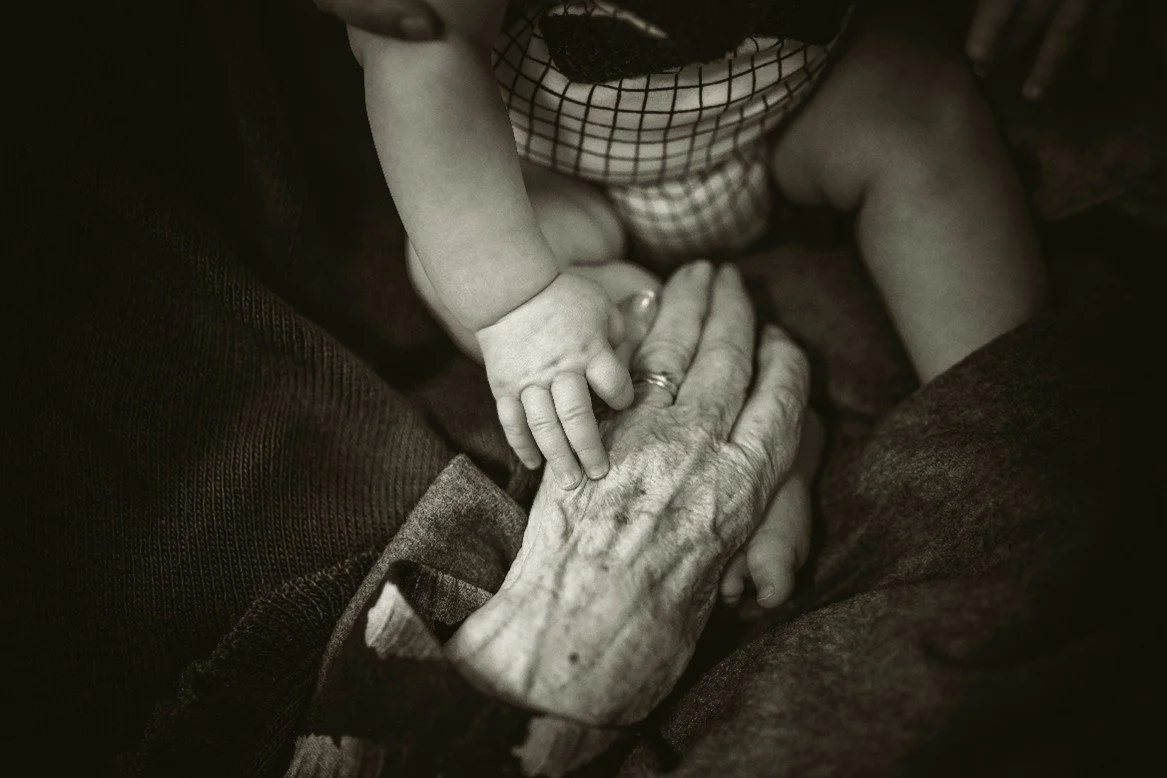
The media can significantly influence levels of body dissatisfaction in middle-aged and older women. A great deal of pressure is placed on women to maintain their youthful looks, as is evident from the vast number of anti-ageing products available. The message often promoted in the media is that the process of natural ageing is a negative thing and should be stopped and even reversed where possible. This is apparent in observing the lack of representation in the media of ‘normatively ageing’ women (i.e. women with wrinkles, fine lines, greying hair). Middle to older-aged women also report feeling societal and media pressure to control their weight and use weight management methods such as dieting and exercise which can lead to disordered eating.
If you are struggling with body image concerns, there are a number of things that you can do to foster a healthier body image. Remind yourself that ageing is a natural process and something we all go through. Take the time to consider how body image concerns are holding you back and what you would like to do if you had no concerns about how you look.
Focusing on the physical signs of ageing, such as wrinkles or grey hair may lead you to exaggerate the importance of appearance which may hinder your enjoyment of life. Begin to notice the critical voice in your head that is focusing on these physical signs of ageing and make a conscious choice to shift your focus away from body image. Make an effort to refrain from commenting on or judging people on their appearance and instead to focus on the personal qualities that make them enjoyable to be around. Extend the same kindness to yourself and consider your strengths and positive qualities.
Become critical of media messaging in relation to body image and ageing. Avoid comparing yourself to the glossy unrealistic images of older models in the media. Remind yourself that these are edited to look as they do and that companies selling anti-ageing and dieting products intentionally promote insecurity to trigger people to purchase their products. Make a conscious effort to ignore these messages and to strive towards well-being and enjoying life rather than the pursuit of unrealistic ideals.
Consider whether there are any new interests or activities you could pursue to shift your focus away from body image to your well-being and enjoyment of life. Make a list of goals or activities you would like to work towards that would help you to enjoy life and start to work towards these goals.
Research indicates that developing a greater appreciation for and connection with our bodies can promote positive body image and overall psychological well-being. Make an effort to tune in to your body and what it needs. Tune in to your senses and consider what textures, colours, tastes and smells appeal to you and try to incorporate these simple pleasures into your day. Consider what fabrics feel good on your skin, what foods make you feel good. Choose to slow down and listen to your body. Check in with yourself and give your body what it needs, this may be rest, a warm bath, a walk in the fresh air, something to eat. Respond to these needs and you will start to build a positive supportive relationship with your body. Dress yourself in clothes that fit well and are comfortable, move your body in ways that feel good to you, treat your body with care and learn to enjoy the body and life you have.
Body image and cosmetic procedures
Cosmetic procedures and treatments are becoming increasingly common in recent years to such an extent that it appears to be the norm for celebrities and people in the public eye to have ‘had work done’. According to the International Society of Aesthetic Plastic Surgery the number of surgical and non-surgical procedures increased by 40% from 2020 to 2024. What used to be something that was only available to the rich and famous has now become increasingly accessible and affordable. This market is also largely unregulated in Ireland, so it is difficult to estimate how many people get these procedures.
These procedures are sometimes discussed in mainstream media in a way that can make people feel like plastic surgery is a normal part of life and that if there is something they don’t like that they can and should seek surgery to change this aspect of themselves. Indeed the cosmetic industry relies on body dissatisfaction and insecurity to generate customers. The message peddled is that changing ourselves or how we look will lead to greater happiness. It is important to recognise that appearance is only one aspect of who we are and to reflect on whether changes to our body will really impact on us in a positive way or whether treating ourselves and our bodies with kindness, really tuning into our needs and supporting ourselves might affect longer lasting changes to how we feel.
Things to consider
Before having expensive cosmetic treatments or surgery, it is important to consider what we are unhappy with about our appearance and why? It is also important to consider who we are making these changes for. Are we making these changes for ourselves or is it to impress others? Or because we feel like we must, to keep up with the people around us or on social media? Prior to undergoing cosmetic surgery procedures which cannot be undone it is advisable to go for counselling to explore your reasons and to consider all aspects of the surgery, your thoughts, expectations and whether this is the right choice for you at this time. Surgery like breast augmentation may require follow up surgeries every 10 years or so to replace the implants and the amount of follow-up surgeries people are having is increasing. Face lifts or other cosmetic procedures may significantly alter the way we look in a way that is obvious to others and may result in questions or comments you may need to be prepared for. Any surgery or procedure come with risks to our health or even life, give yourself time and ask yourself if you are really willing to accept these risks.
For some, cosmetic surgery can be a positive experience and/or may be required for medical reasons. However, for others the physical changes may be overwhelming or may not bring about the happiness they were expecting. This may result in feelings or disillusionment and a grieving for the body they rejected.
A ‘quick fix’ surgical route to happiness cannot address our relationship with ourselves. Learning to accept ourselves as we are and to treat ourselves with love and respect is important prior to surgery. If surgery still seems like the right choice for you then you can be sure you have considered all the options.
Research in the United States indicates that the demand for certain cosmetic procedures has been on the rise over the last number of years. Far more women than men are seeking cosmetic surgery and non-surgical procedures based on data from 2010-2023 (84% vs 16%). However, the number of males seeking cosmetic procedures has risen consistently since the late 1990s; the American Society for American Plastic Surgery reported a 325% increase in male cosmetic procedures from 1997 to 2015 and eyelid surgery is the most commonly chosen surgical procedure for men. Market research estimates that the global cosmetic surgery and procedure market is worth 59.13 billion USD in 2025 and is forecast to grow in the coming years. The Irish Association of Plastic Surgeons claim that the number of people seeking plastic surgery in Ireland has increased in recent years.
We can be very easily influenced by what we see in the media. When there are constantly photographs of people looking ‘perfect’ as well as articles detailing the various procedures that someone has undergone to achieve this look, it can impact on the way we view our own bodies. It’s important to be critical of what we see in the media or online and to question the information that is being presented to us – is this person being paid to promote whatever it is that they are promoting? Are they truly ‘happy’ now that they have ‘fixed’ whatever perceived flaws they had? What kind of pressure is that person under from society to adhere to certain appearance ideals? We have recently seen a wave of influencers and celebrities dissolving the filler that they felt pressured to get when they were younger because they want to look like themselves again.
It is important to remember that body image only makes up one part of who we are. Remind yourself that there are lots of great things about you that have nothing to do with your appearance. Take the time to consider how body image concerns are holding you back and what you would like to do if you had no concerns about how you look. Reflect on what it is that you value in other people – usually we place value on personality and personal qualities. Consider your own strengths, achievements and skills and remind yourself that your worth is not determined by your appearance. Begin to notice the critical voice in your head that tells you that you are not good enough unless you look a certain way and try to practice extending compassion towards yourself when this voice shows up. You will find more information on improving body image and self-compassion techniques in the general section on improving body image.
Useful Resources + links: body image in women
📰 Article: The Telegraph reports that one third of young women are not attending for smear tests due to body image concerns - click here.
🎧 Podcast: Listen to Dr. Hazel Wallace and registered nutritionist Laura Thomas discuss diet culture, body neutrality and intuitive eating - click here.
🎧 Podcast: Positive body image: Listen to the hosts of the Appearance Matters podcast interview Dr. Tracy Tylka about positive body image and discuss relevant research studies - click here.
🎧 Podcast: Listen to Dr Kristen Neff discussing how self-compassion can help to heal your inner critic - click here.
🎧 Podcast: Listen to dietitians Corrine Dobbas and Fiona Sutherland talk about body image and body image healing - click here.
🎧 Podcast: Listen to the hosts of “Go Love Yourself” interview personal trainer Tally Rye about the concept of ‘Intuitive Movement’ - click here.
📰 Article: Comedian Riona O’Connor discusses her journey to accepting her body - click here.
🎧 Podcast: On the Butterfly Foundation’s Let’s Talk podcast, they discuss why women are at war with their bodies, and how we can make peace - click here.
📰 Article: Read Dr Jessica Alleva discuss why appearance talk isn’t just small talk - click here.
🎧 Podcast: The Butterfly Foundation’s podcast “Let’s Talk” discusses the cost of appearance ideals - click here.
🎧 Podcast: On the podcast “Go Love Yourself” the hosts talk about the emotion of going up a dress size - click here.
🎧 Podcast: The Butterfly Foundation’s podcast “Let’s Talk” discusses the limit to enhancing your looks - click here.
🎧 Podcast: The Butterfly Foundation’s podcast “Let’s Talk” discusses body image in older people - click here.
📰 Article: This article shows the damage cyberbullying and appearance comments can do on girls’ body image - click here.
